
14 May 2026: The Ministry of Tribal Affairs, in collaboration with the Council of Scientific and Industrial Research (CSIR) and CSIR-Institute of Genomics and Integrative Biology (IGIB), organized a workshop on “BIRSA 101”, India’s first indigenous CRISPR-based gene therapy for Sickle Cell Disease (SCD), at CSIR-IGIB, New Delhi on 14th May 2026 under the ongoing celebrations of Janjatiya Garima Utsav 2026.
Janjatiya Garima Utsav is a month-long celebration of the Journey of Viksit Bharat inspired by the vision of Hon’ble Prime Minister Shri Narendra Modi. The first week of the Utsav is dedicated to “Technology as a Development Driver”, highlighting innovation-led transformation and technological achievements accelerating tribal development and welfare.
“BIRSA 101”, named after Bhagwan Birsa Munda, marks a significant milestone in India’s emerging biotechnology and genomic research ecosystem. The initiative advances the Government of India’s continued efforts towards the elimination of Sickle Cell Disease, which disproportionately affects tribal populations across several regions of the country. The Ministry of Tribal Affairs has supported the project with financial assistance of approximately Rs. 3.75 crores as part of its continued efforts to strengthen research, innovation and affordable healthcare interventions focused on tribal welfare.
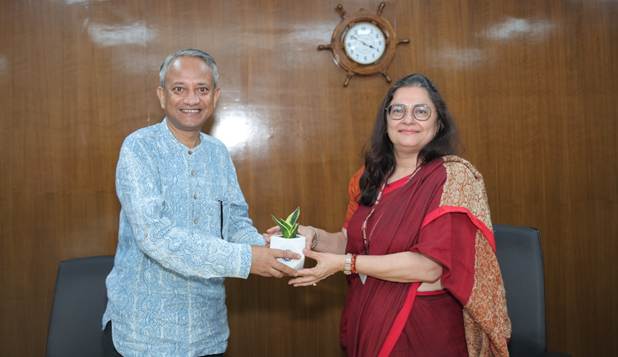
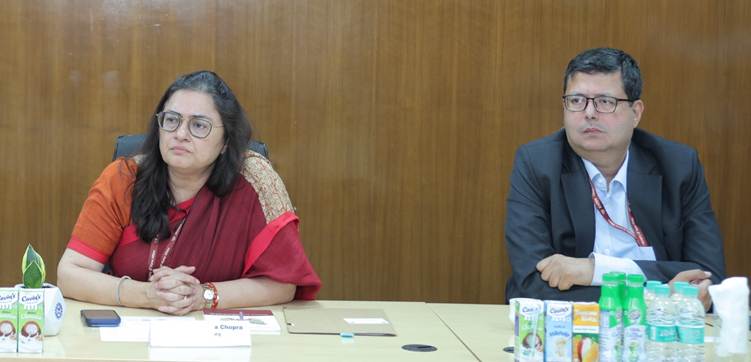
Smt. Ranjana Chopra, Secretary, Ministry of Tribal Affairs, highlighted the importance of leveraging advanced scientific research and indigenous innovation to improve healthcare accessibility for tribal communities and emphasized the need for strong collaboration between scientific institutions and government agencies to ensure last-mile affordable healthcare delivery.
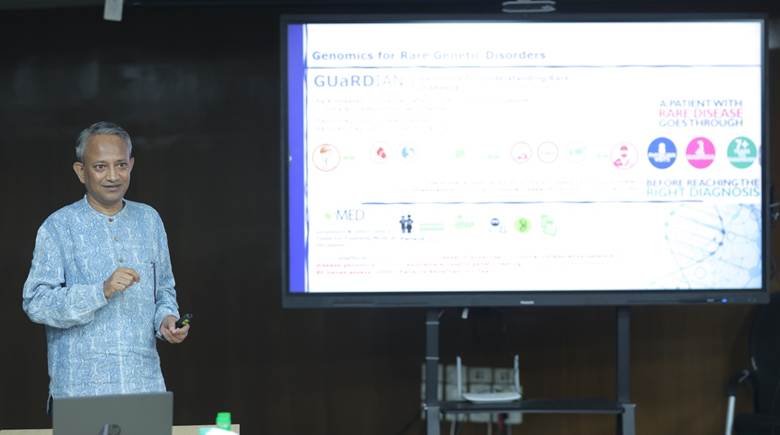
Dr. Souvik Maiti, Director, CSIR-IGIB, presented the institute’s major scientific initiatives in genomics, sequencing and translational biomedical research, highlighting India’s growing capabilities in precision medicine, national genome sequencing and disease genomics. The presentation covered key programmes including Ayurgenomics research, the GUaRDIAN initiative for rare genetic disorders, the Indian Breast Cancer Genome Atlas (IBCGA), PHENOME India, Indian gut microbiome studies and India’s genomic response during the SARS-CoV-2 pandemic.
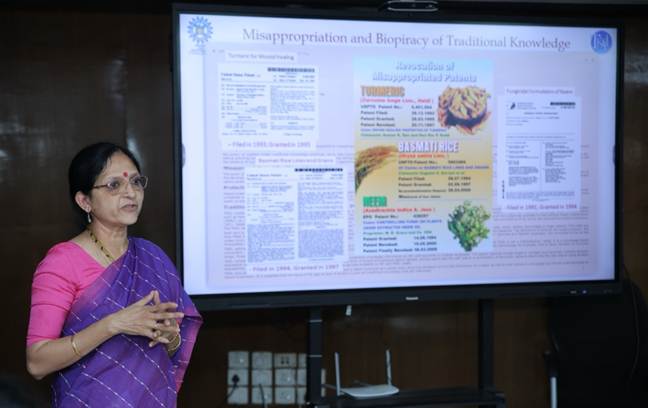
Smt. Viswajanani Sattigeri, Director, CSIR-TKDL, presented the work being undertaken under the Traditional Knowledge Digital Library (TKDL) to preserve and protect India’s traditional medicinal knowledge systems, including vast tribal knowledge traditions.
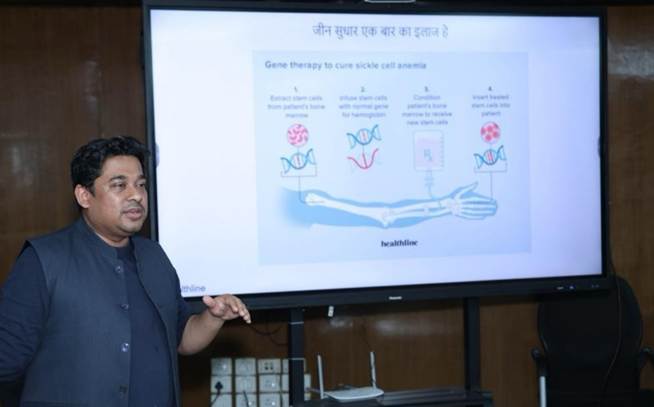
A detailed technical presentation on BIRSA 101 and CRISPR-based gene-editing technologies was delivered by Dr. Debojyoti Chakraborty, tracing the progress of the Indian initiative since 2017 and outlining efforts towards developing an indigenous and affordable gene-editing therapeutic pathway for Sickle Cell Disease.
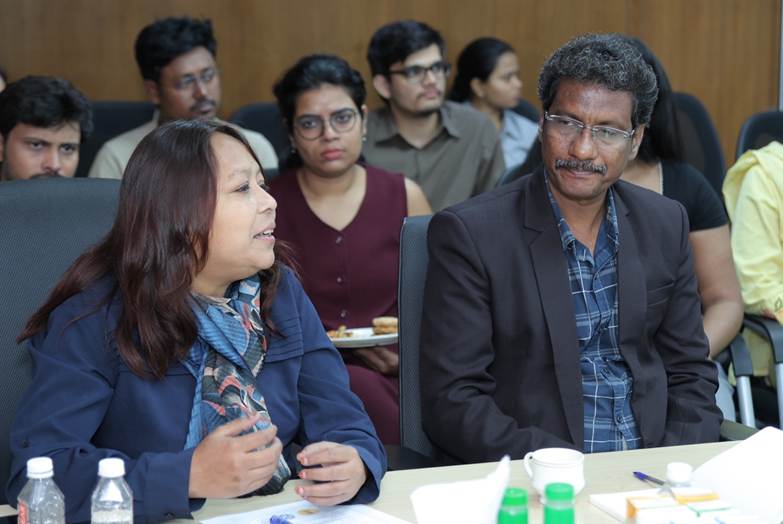
The Secretary, Ministry of Tribal Affairs also interacted with Sickle Cell warriors and patient advocates Shri Gautam Dongre and Ms. Farhat Naz, who shared their personal journeys and highlighted the importance of early diagnosis, awareness generation, wider access to medicines such as Hydroxyurea and continued healthcare support in underserved areas.
Participants were also briefed on the phased progress of clinical trial infrastructure, regulatory processes and collaborative arrangements with premier medical and research institutions. The workshop highlighted the transfer of the technology framework to Serum Institute of India Pvt. Ltd. for collaborative clinical and manufacturing development.
The Secretary and other Senior officials from the Ministry of Tribal Affairs later visited the GMP manufacturing facility associated with the initiative and reviewed the manufacturing ecosystem, research infrastructure and technological capabilities being developed under the programme.
The workshop underscored the importance of indigenous scientific innovation, institutional collaboration and technology-driven healthcare solutions in addressing critical healthcare challenges affecting tribal communities, while advancing the vision of an inclusive, empowered and technologically driven Viksit Bharat.
Source: PIB



0 Comments